Tired of max-cushion running shoes? A guide back to minimalism
Minimalism isn't dead–it just got buried in foam

HOKA’s launch in 2009 kicked off the maximalist-running-shoe revolution–also known as “HOKA-ization.” Once met with skepticism, the oversized midsoles–or “moon shoes” quickly won fans with their plush cushioning, impact absorption, surprising stability and speed.
Fast forward to today, and maximalist shoes dominate the shelves at most speciality running stores. But it’s totally fine to want something different. Stack and drop height aren’t one-size-fits-all, and your body–especially your Achilles tendons–might crave more variety than the current trends offer.

Why go minimal?
Minimalism isn’t new. In the early 2000s, it surged in popularity, with thin-soled shoes that encouraged natural foot movement and aligned with a less-is-more lifestyle. They were especially loved by trail runners, who benefit from improved balance and agility.
But over time, our feet have become–put simply–lazy. Maximalist shoes, with their thick cushioning, are great for soaking up impact on long runs, reducing foot and ankle fatigue and softening the “pounding the pavement” effect. But that extra support can come at a cost.
New technology in midsole foam takes over the work our foot and ankle muscles used to do, and eventually, our feet lose the ability to tolerate impact on their own. Narrow toe boxes squish our toes, limiting their role in propulsion. And while “lightweight” or “cloud-like” are key marketing terms used by running brands, maximalist shoes can still be bulky–enough to alter your stride and slow your cadence.

Cushioning
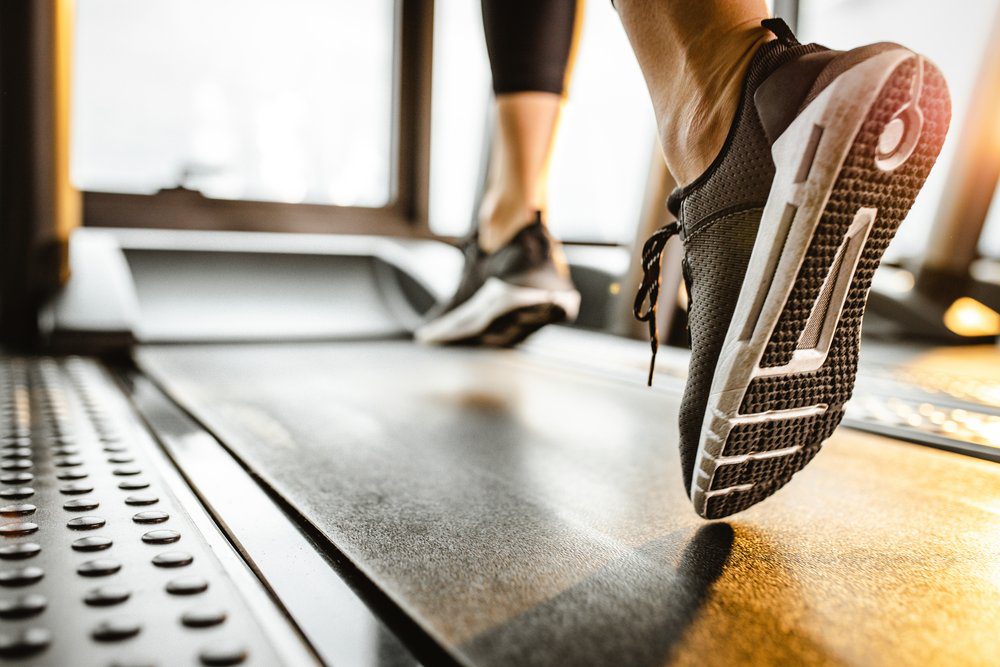
Minimalist shoes won’t just feel lighter–they’ll look it, too. Expect less cushioning, more ground feel, and often, a wider toe box that lets your foot move more naturally. With cushioning, maximum stack height reaches 35 to 50 mm, while regular shoes range from 9-35 mm and minimalist shoes from 3-13 mm. These thinner designs can encourage greater flexibility and can help strengthen your foot and ankle muscles.
Deconstructing heel-to-toe offset (aka “drop”) in running shoes
Heel-to-toe drop
The stack height difference between the heel and toe–drop height–is also an important spec to consider when it comes to minimalist shoes. Today’s maximalist shoes usually have a heel-to-toe drop of eight to 14 mm, which puts your Achilles in a shortened position, reducing the stress on the tendon. This is especially beneficial if you’re injury-prone, but you’ll probably notice some tightness when you step barefoot onto flat ground.
In contrast, lower-drop shoes range from zero to six millimetres, which promotes a midfoot or forefoot strike and a more natural foot position.
The tradeoffs
Higher-drop, max-cushion shoes:
- Reduce stress on the Achilles and calves
- Encourage heel-striking
- Softer, more supported ride
- More load on knees and hips
Lower-drop, low-cushion shoes:
- Promote midfoot/forefoot strike
- Encourage shortened stride, potentially improving cadence
- Activate smaller foot/ankle muscles, increased ankle ROM
- Reduce knee pain, more load on ankles and Achilles
- Higher impact, quicker fatigue

How to step back into minimalism
Wake up those calves.
Stretch your calves and Achilles regularly, and go barefoot during strength or mobility work to ease back into a natural foot position.
Ease into it.
Don’t swap your maximalist shoes for a barefoot shoe overnight. Start with a pair with a drop of 2-4 mm less than what you’re used to, and limit your first runs to short distances.
Break them in gradually.
The last thing you want to do in any new shoe is jump into your weekly long run–but in minimalist shoes, this is especially the case. Walk around in your new shoes or wear them for strength training before running in them, letting your body adjust to the firmer feel without adding high-impact stress.
Build frequency over time.
Slowly increase how often you wear them–alternating with your current runners–until they become a core part of your rotation.

What shoes to reach for
No, stepping away from maximalism doesn’t mean you’re committed to choosing minimalist shoes. There are “regular” running shoes, too, with an overall balance of firmness and cushioning with a relatively neutral drop. Popular options include the New Balance FuelCell Rebel v4, the Saucony Kinvara 14/15 and the Altra FWD Experience.